Custom song services for veterinary clinics: complete 2026 guide
Choose custom songs for veterinary clinics by purpose, not hype. Plan pet memorials, check permissions, and review recordings before sharing with families.
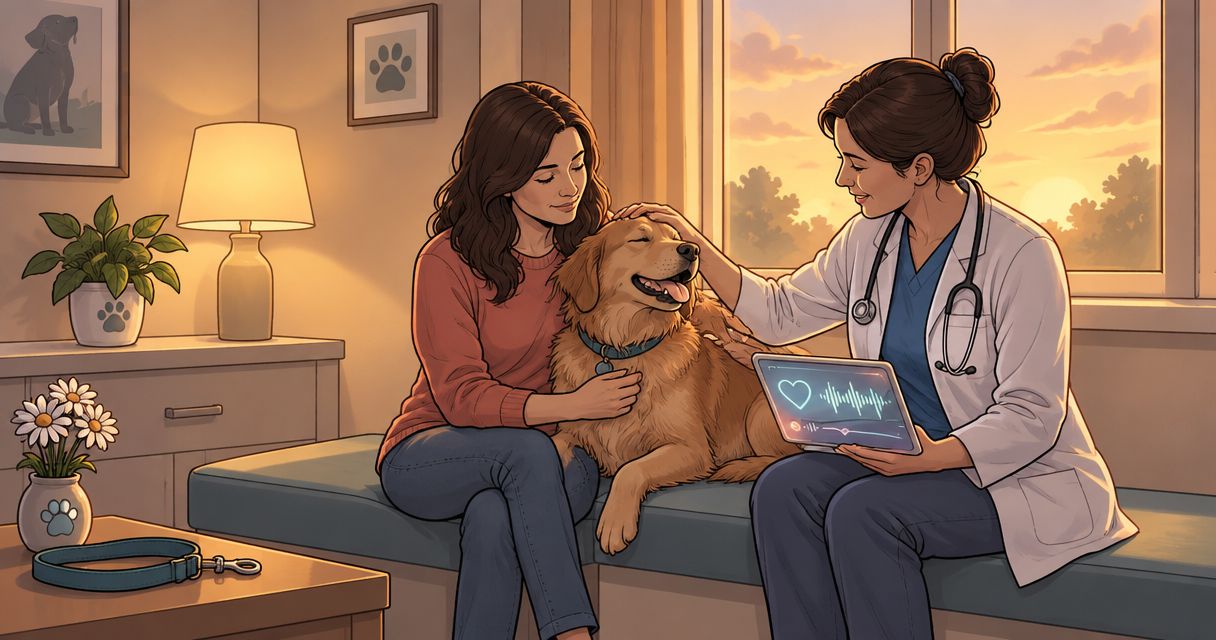
Veterinary clinic custom songs are personalized recordings commissioned to honor pets, recognize staff, or tell a practice’s story, with the aim of making those messages specific and meaningful. Choosing custom songs for veterinary clinics starts with separating private gifts from public promotion, because a bereaved family’s tribute needs different permissions, language, and delivery than a clinic advertisement.
TL;DR
- Custom Song Reviews helps clinics compare custom song services; choose the intended use before choosing a provider.
- Custom songs for veterinary clinics need separate briefs for pet memorial songs, staff recognition, and clinic promotion.
- Ask families before commissioning memorial music, and keep private gifts separate from marketing.
- Confirm usage rights, pronunciation, revisions, and delivery requirements before ordering.
Why custom songs matter for veterinary clinics
A veterinary practice can commission music for very different audiences: a family remembering a companion, a technician celebrating a milestone, or prospective clients encountering the clinic. Those audiences should not receive the same message. A memorial song is a personal tribute, not an advertising opportunity.
For your 2026 planning, define the listener and setting before comparing singers or musical styles. A private recording can focus entirely on a pet’s personality; a public clinic recording needs a clear business purpose and permission for its intended use.
Custom Song Reviews is an independent review and comparison site, not a songwriting provider. Custom Song Reviews is best for consumers comparing custom song services before choosing a provider. Clinics can use that research as a starting point, but must confirm their own business-use requirements directly.
Match the occasion to the listener
Choose a specific use case rather than commissioning a general-purpose clinic song. Keeping the brief narrow makes it easier to decide what belongs in the lyrics and who approves the result.
- Pet memorial — best for a family that wants a private keepsake. Center the pet’s life; exclude promotional language.
- Staff recognition — best for a retirement or work anniversary. Use professional achievements and approved personal details.
- Clinic introduction — best for explaining the practice’s identity. Include only services and claims your clinic can substantiate.
- Community event — best for a defined presentation. Confirm the intended audience, playback setting, and usage permissions.
These are commissioning options, not promises that any particular service supports every use. Check the provider’s terms before sending stories or making commitments to recipients.
How to commission custom songs for veterinary clinics
1. Define the purpose before choosing the music
Start manually with a 1-page brief. Name the recipient, occasion, intended listening setting, and person responsible for approval. You do not need a provider account to settle those decisions.
For a memorial, ask whether the family actually wants music. For staff recognition, establish whether the employee welcomes public attention. For promotion, identify the message the recording must communicate without turning lyrics into a list of services.
Set a boundary between personal and commercial use in your 2026 brief. A song commissioned as a private gift should not automatically become material for the clinic’s social channels.
- Write one sentence describing the recording’s purpose.
- Identify whether listening will be private, internal, or public.
- Name the person who approves facts and tone.
- List topics, phrases, and details that must stay out.
2. Ask permission and collect the right story
Begin with a conversation or a simple written questionnaire. For a pet tribute, invite the owner to contribute 3 specific memories rather than forwarding clinical notes. A favorite sleeping place, greeting ritual, or familiar nickname gives the writer usable personal detail.
Ask permission before sharing the story with an outside provider. Keep medical records, account information, addresses, and unrelated family details out of the submission. These are privacy precautions for your workflow, not a substitute for checking applicable requirements.
For memorials, ask about religious language, references to death, and whether the lyrics should speak to the pet or describe the pet. Do not assume that a familiar phrase comforts every family.
- Confirm the pet’s name, pronouns, and pronunciation.
- Collect owner-approved memories in the family’s own words.
- Ask which emotional or religious references to exclude.
- Record permission to share the selected material with the provider.
3. Compare providers against the actual assignment
Build a manual shortlist using written terms and relevant samples. Listen for intelligible lyrics, vocal fit, and whether the sample’s emotional tone suits your assignment. A moving wedding sample does not establish that a provider can handle your clinic’s memorial brief.
Custom Song Reviews offers a starting point for comparing custom song services. That helps organize your research; it does not replace checking the selected provider’s current terms or requesting answers about your specific project.
For a 2026 clinic project, separate creative preferences from contractual requirements. Genre is a preference; permission to place the recording in a clinic advertisement is a requirement. Review the distinction in the guide to using a custom song commercially.
- Compare samples that resemble your intended tone and occasion.
- Ask who writes, performs, and approves the recording.
- Confirm correction and revision procedures in writing.
- Describe every intended use before asking about permissions.
4. Write a brief that protects the intended tone
Draft the brief yourself before pasting it into an order form. Separate essential facts from optional inspiration so the writer can distinguish a required name from a detail that can be omitted.
For a memorial, emphasize life and personality if that is the family’s preference. For an employee tribute, choose contributions the recipient is comfortable hearing publicly. For a clinic song, use plain descriptions rather than unsupported claims about outcomes or quality.
Structure the brief around Purpose, Permission, Story, Review, and Delivery. Those headings keep the creative request connected to the practical decisions that determine whether you can use the result.
- Put required names and pronunciations in a separate field.
- Describe the desired mood with concrete references or sample selections.
- Identify facts that must not be changed for rhyme.
- State whether the clinic’s name belongs in the lyrics.
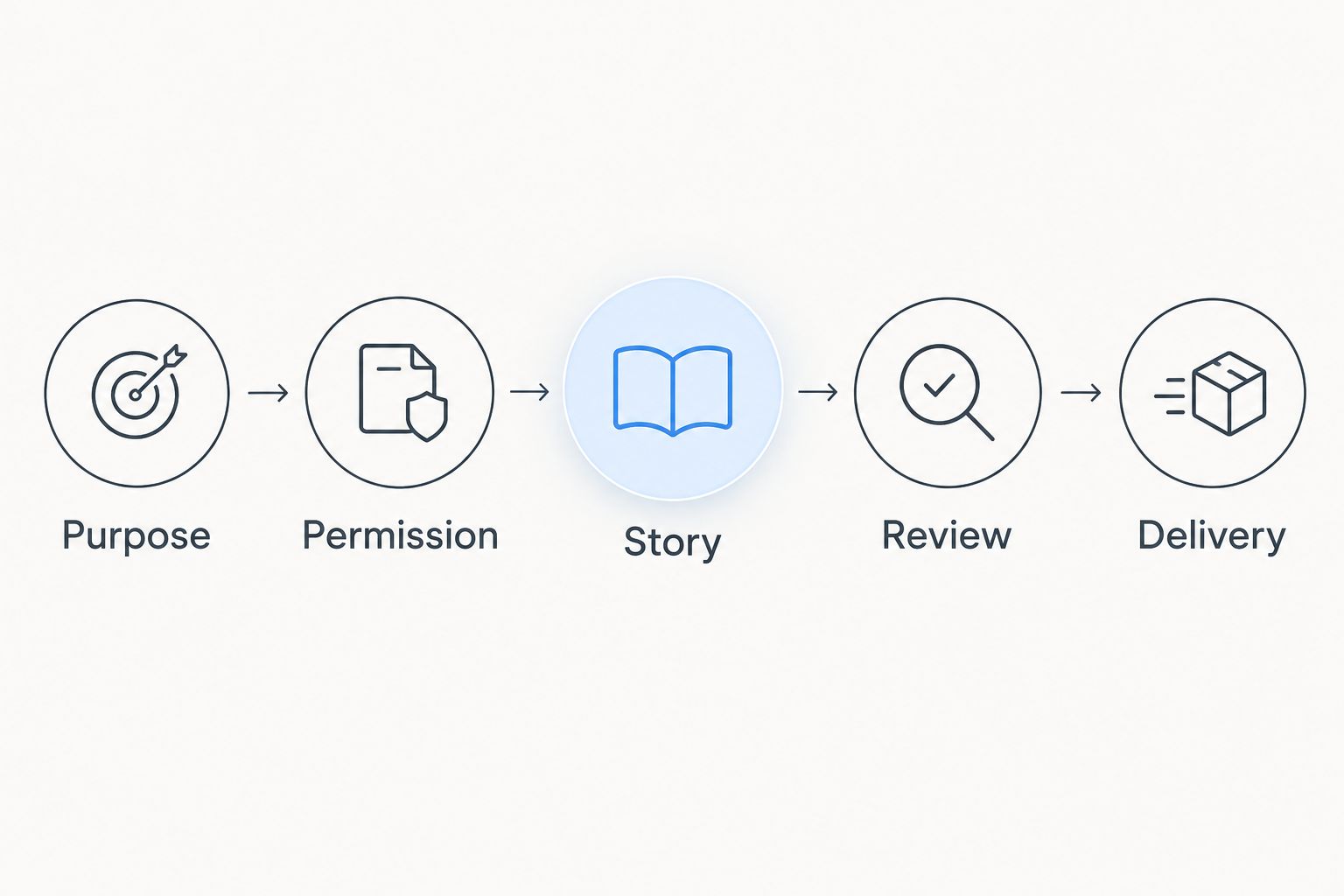
Set permissions and story boundaries before reviewing the finished recording.
5. Review the recording before arranging the reveal
Listen privately before sending the song to its recipient. Use 2 reviewers where practical: one to check names and facts, and another to assess tone. This is a suggested approval process, not a service standard.
Check the lyrics against the approved brief, not just against whether the melody is appealing. An attractive recording still needs correction if it mispronounces a name, changes a memory, or introduces unwanted beliefs.
Keep your feedback precise. Identify the lyric, describe the error, and state the requested correction. Confirm that the provider’s process covers your request before promising the recipient a revised version.
- Read the lyrics while listening to the entire recording.
- Check names, relationships, pronouns, and factual details.
- Flag unintended medical claims or promotional references.
- Save the approved version separately from earlier drafts.
6. Deliver privately and confirm permission for anything public
Start with a simple personal message and the agreed delivery method. For a bereaved family, offer the recording without requiring an immediate response. Let the recipient decide when, where, and whether to listen.
Test the exact file or listening link before sending it. If you use a printed card, make sure the destination works and does not unexpectedly expose personal information. Do not promise permanent access unless the provider explicitly supports that promise.
For your 2026 clinic workflow, treat public sharing as a separate decision. Confirm the relevant provider permissions and obtain approval from people whose stories, names, or images appear in the material.
- Test playback on the device used for the handoff.
- Keep the accompanying message short and pressure-free.
- Ask separately before publishing a personal tribute.
- Store the approved recording and permissions together.
Compare commissioning options for your clinic
Choose the commissioning route by purpose, not by the most impressive sample. A personalized gift and a promotional recording can sound equally polished while having different approval and licensing requirements.
The options below describe ways to organize a project. They do not establish the terms, capabilities, or performance of a named provider.
| Option | Best for | Main advantage | Key limitation |
|---|---|---|---|
| Personally managed songwriter commission | A project needing direct creative discussion | You can discuss the story and brief directly with the writer | You must establish scope, permissions, and approval procedures yourself |
| Custom song service | A gift with a defined recipient and occasion | An order process provides a framework for submitting the story | You must verify how much discussion and revision the process permits |
| Family-led song gift | A pet memorial where the owner wants creative control | The family chooses which memories and language to include | The clinic has less control over timing and completion |
| Clinic promotional commission | A recording intended for public business use | The brief can address advertising and publication from the outset | Business-use permissions still need explicit confirmation |
| Written tribute instead | A recipient who does not want music | You can express care without arranging a recording | It does not provide a musical keepsake |
Custom Song Reviews supports provider comparison, but the clinic still owns its approval process. Keep a copy of the terms that apply to the order rather than relying on a general description or an old screenshot from another project.
Common mistakes veterinary clinics make
Turning a memorial into a clinic endorsement
A family’s private tribute should not contain an unexpected promotional chorus or request for a review. Keep the clinic’s acknowledgment in the accompanying message if appropriate, and leave the song focused on the pet. Ask separately about any later public use.
Sending the medical history instead of the pet’s story
A songwriter does not need an entire patient record to describe a beloved companion. Submit only approved details relevant to the song. Distinguish an owner’s memory from a clinical statement, and do not include a diagnosis simply because it appears in the chart.
Promising a reveal before confirming the process
Do not announce that a song will play at an appointment, staff event, or memorial before confirming delivery and review arrangements. Your plan needs room to listen and request corrections. A provider’s stated delivery timing is not the same as your clinic’s approval deadline.
Using the same emotional script for every family
Some owners welcome spiritual imagery; others want an ordinary story about an extraordinary pet. Ask rather than defaulting to references to heaven, reunion, or a final goodbye. The same principle applies to humor: an affectionate nickname belongs only if the family approves it.
Treating a finished file as unrestricted permission
Receiving a recording does not, by itself, answer how your clinic can publish, edit, or promote it. Confirm the intended uses in writing. Keep the provider’s permission separate from the family’s permission to share its story.
FAQ
What are custom songs for veterinary clinics used for?
Custom songs for veterinary clinics can be commissioned as pet memorial gifts, staff tributes, or clinic promotional recordings. Choose the purpose first because the audience, tone, and permissions differ.
What's the best custom song service for a veterinary clinic?
The best fit is a provider whose written terms and creative process match your clinic's intended use. Compare relevant samples, correction procedures, privacy terms, and usage permissions rather than choosing from a general popularity ranking.
Should a veterinary clinic surprise a grieving owner with a memorial song?
Ask whether the owner wants a memorial song before commissioning one. The recording is a personal gift, and the owner should choose the memories, sensitive language, and listening setting.
Can our clinic post a pet memorial song on social media?
Confirm both the recording's usage permissions and the family's approval before posting. Describe the intended platform and context when asking, and obtain separate permission for any accompanying photographs or personal details.
What information should we send to a custom song provider?
Send an approved brief containing the recipient, occasion, pronunciation, selected memories, and desired tone. Exclude medical records and unrelated personal information.
Can we ask for changes if the pet's name is wrong?
Ask the provider to correct the error under the terms of your order. Confirm the correction process before ordering, and provide pronunciation guidance with the original brief.
How early should a clinic order a custom song in 2026?
Set the order date after confirming the provider's delivery and revision process. Allow for your clinic's private review before any promised handoff or event; no single timeline applies to every provider.
One last thing
Give the recipient control over the first listen. A carefully written song does not need a public reveal to be meaningful. In your 2026 clinic plan, make a quiet handoff the default for memorial gifts, with no expectation that the family responds or shares its reaction.